DG-1001Club neo
DG-1001Club neo | Technical Details
DG-1001Club neo – The state-of-the-art Trainer
The Next Generation Training Double-Seater
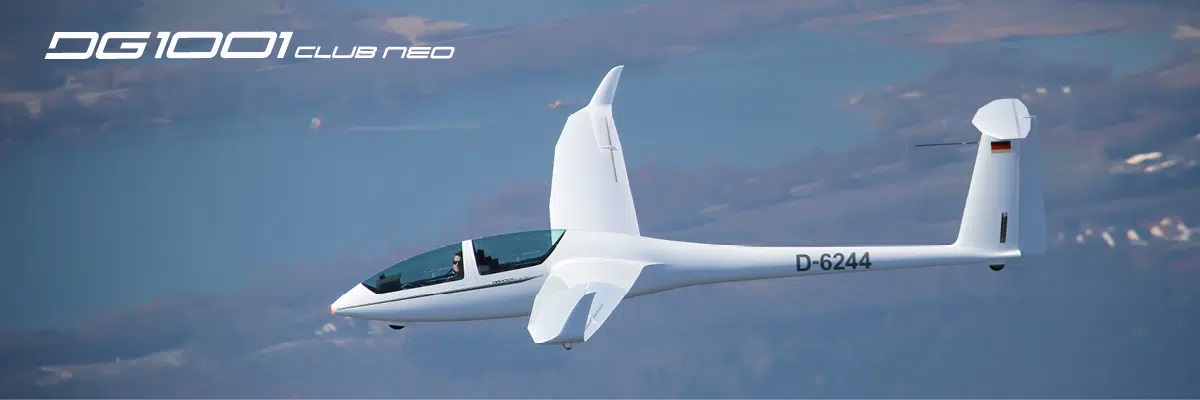
The DG1001Club neo is the ideal trainer for clubs. It’s the most modern training aircraft on the market, suitable for basic as well as advanced training. With 18m wingspan and new “neo” winglets, the flight characteristics leave nothing to be desired. Excellent low-speed and stall characteristics allow the pilot to keep control of the aircraft at all times. An important factor, especially in clubs and flight schools.

| Standard Equipment The DG1001Club is offered with the following standard equipment: - 18m wingspan with neo winglets | Options Further equipment options are available upon request. We would be happy to offer you your aircraft, including avionics and trailer. Please contact our sales team for personalized advice. |
|
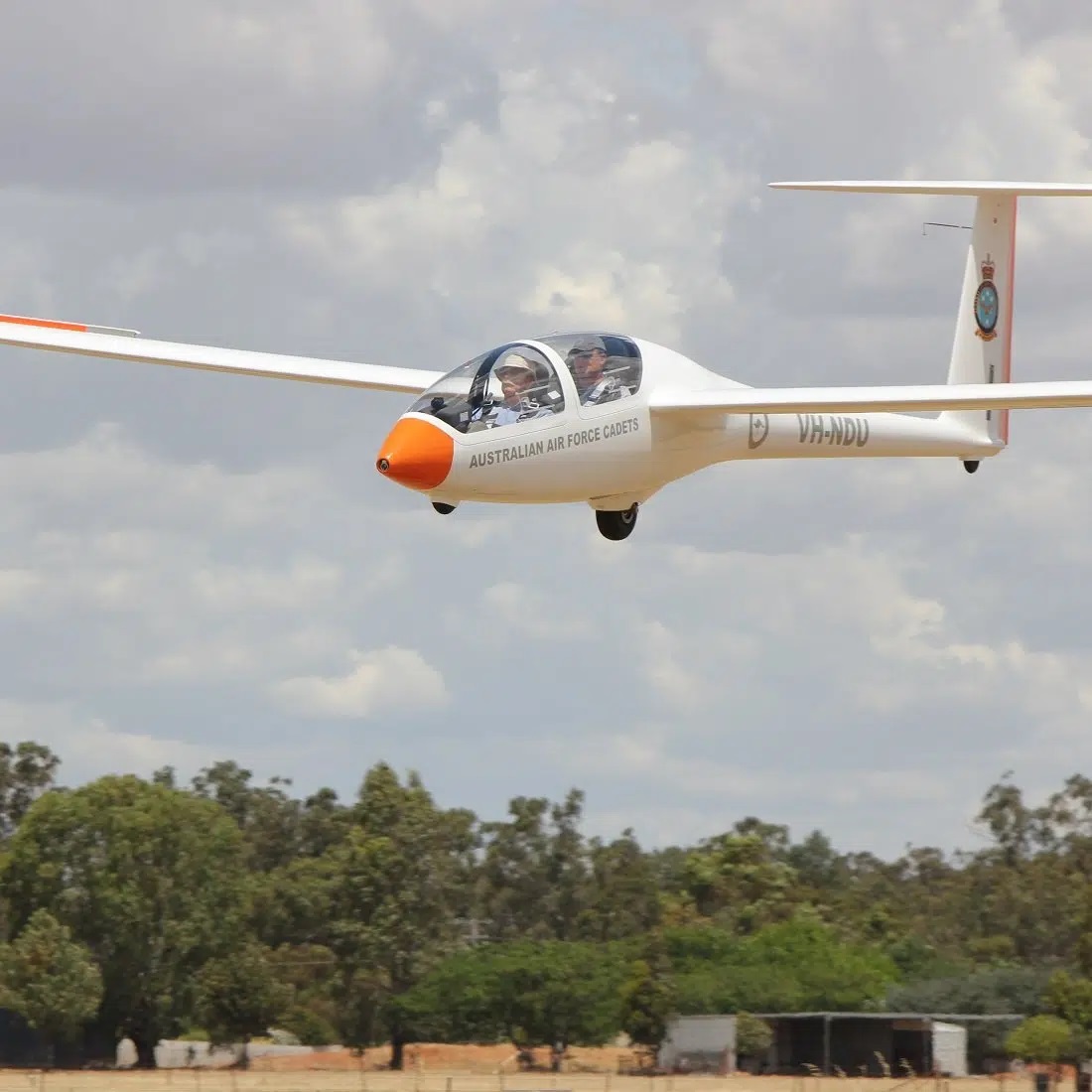
Top-Level TrainingGlider pilot training is the key in every gliding club. It sets important milestones in a pilot’s life and assures that beginners learn as much as they can to become a great aviator. The DG1001Club is the perfect aircraft to guide your trainees from first take-off through to getting the license and beyond. |
Flying – easy and safe
The neo winglets of the DG1001Club were specially developed for training.
The handling is therefore more harmonious and the stall characteristics are very good-natured, as desired for a training two-seater.
Coupled with the performance, which is excellent for training aircraft, every take-off is used effectively and learning successes come quickly.
slow flight:
Spin: Unlike older generation aircraft, modern plastic aircraft spin steeply and flatly alternately. A property that cannot be simulated with old mixed or wooden training two-seaters. With the DG1001Club neo, the students are specifically prepared for the flight behavior of modern aircraft.
Performance
: |
 |
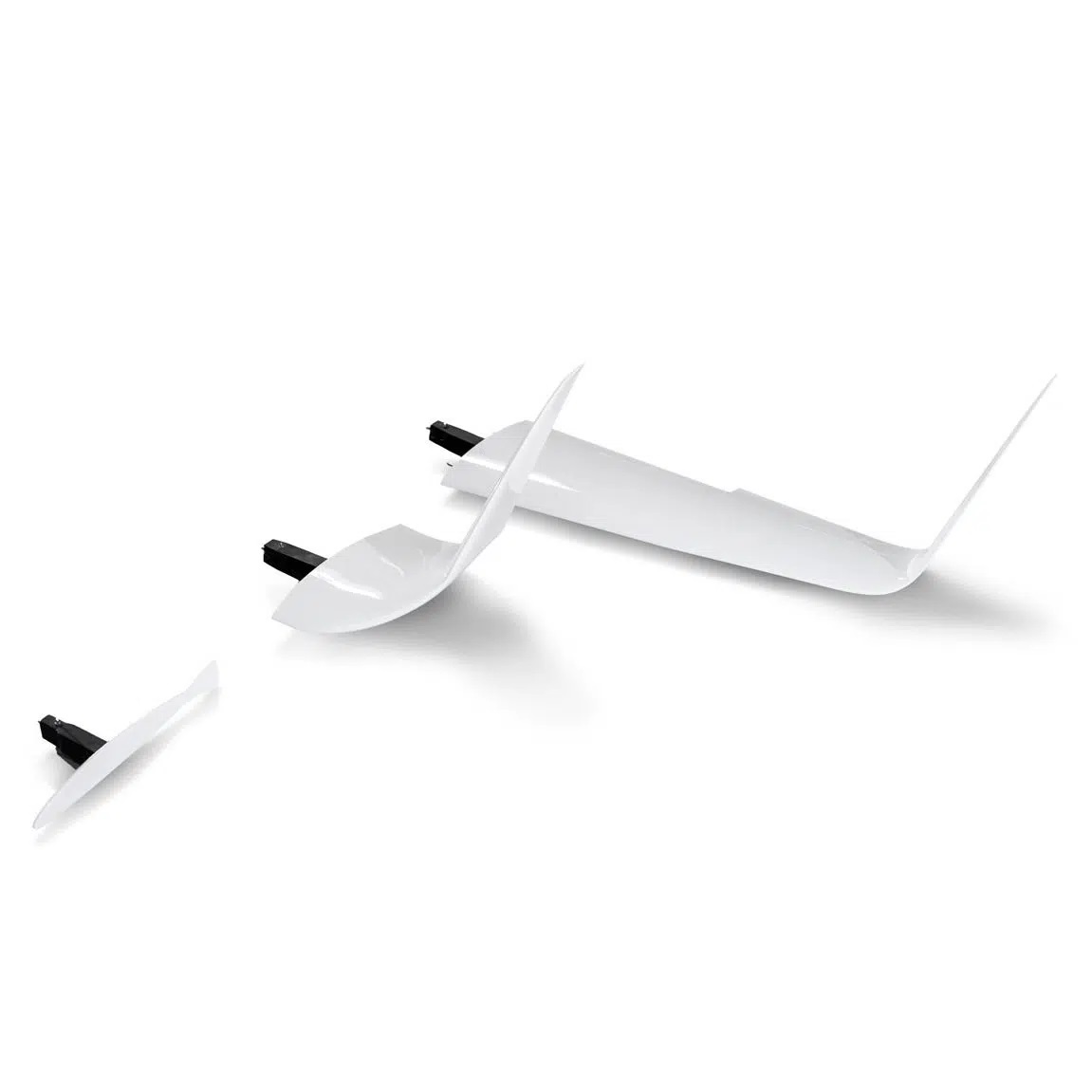 |
Flexibility is The KeyDG1001Club neo forms the cornerstone of the DG1001 family. Various options make the aircraft more flexible than any other. Whether wingspan, undercarriage, water ballast or even propulsion. With the DG1001 modular system, we can adapt the aircraft to your needs. spans Thanks to the separation point included as standard, the DG1001Club neo can be flown with different wingspans.
Landing Gear Options
water ballast |
Setting your Center of GravityThe trim weight boxes in the front cockpit and the trim box in the fin offer maximum flexibility choosing the right centre of gravity. Light as well as heavy pilots can adjust the glider to their needs and as an instructor you get the rare opportunity to demonstrate the influence of the centre of gravity in a simple way. All too complicated, elaborate or dangerous? Find out why it’s definitely not here… Trim weights in the cockpit are standard on all gliders. But the possibility of compensating cockpit load with weights in the fin as well is not very common. Often these weights are used solely to perform spin exercises. But in the DG1001 family, the centre of gravity can be adjusted for all flight purposes. However, some people think using the trim weights is too cumbersome or inconvenient. The easiest solution is to simply leave the box empty. You can use the trim box, but you don’t have to. It is not necessary to adjust the weights ahead of every launch. Analogue to other training double-seaters, you can fly with a front CG setup as well. To make choosing the correct centre of gravity as easy as possible, each glider is supplied with a trim chart which makes it very easy to determine the correct number of trim weights. A practical way for use in a club is to determine the lightest pilot/co-pilot combination of the day and set the trim weights accordingly. You then can use this setup and fly all day without touching the trim weights at all. Only for spinning and aerobatics it is necessary to use the trim box in the tail according to the chart. |
|

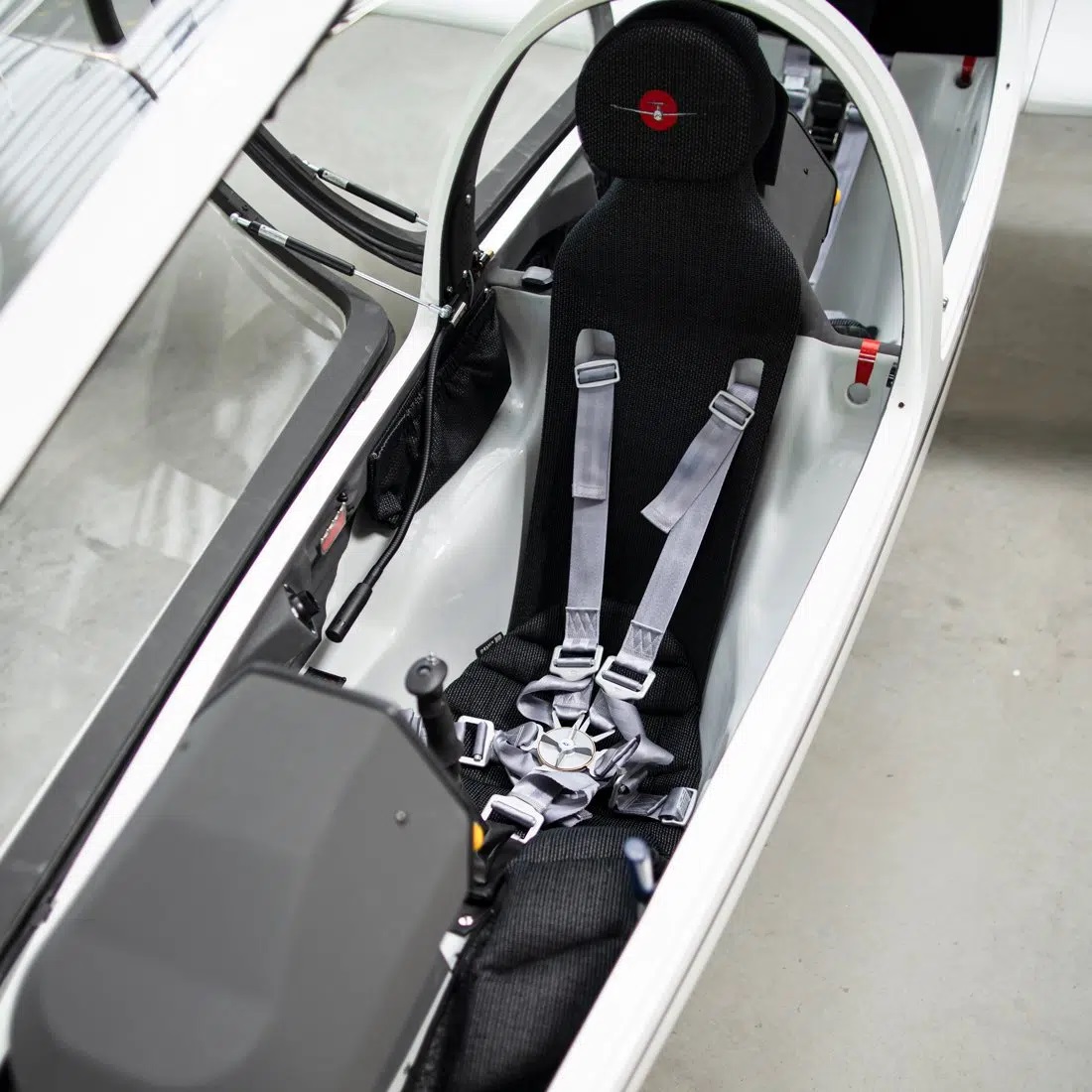 | Keep your training safeThe state-of-the-art cockpit with it’s bonded structural elements ensures maximum safety. Together with the main wheel damped by steel springs, the DG1001 can absorb more energy in a crash than comparable aircraft. A high-quality interior with a modern, timeless design guarantees a good feeling while flying. The seat ergonomics allow long flights without fatigue even in the DG1001’s training version. |
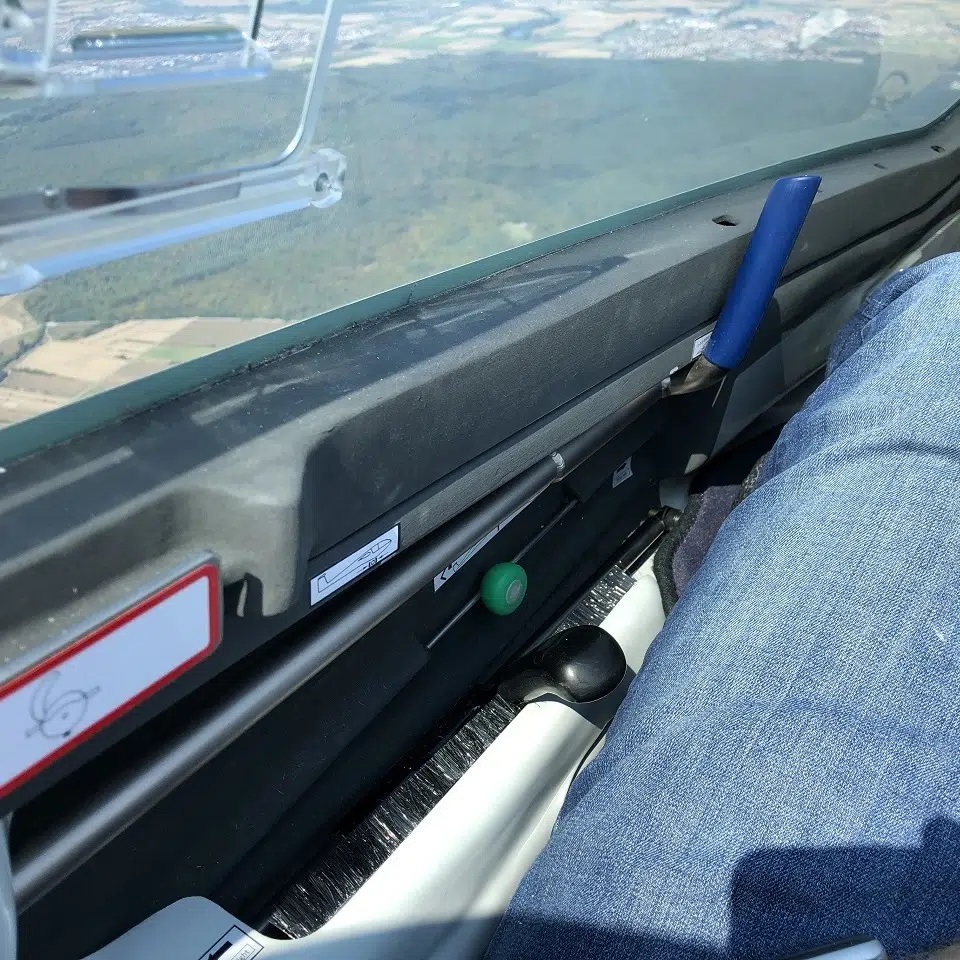
Flying without limits!The DG1001 can be equipped with a hand rudder system when combined with fixed or electrically operated landing gear. The lever on the left side of the cockpit, which replaces the one used for the manual retractable landing gear, is used for rudder control and enables people with disabilities to enjoy the beauty of our sport. Retrofitting of the hand rudder system is also possible, which also enables clubs to educate people with disabilites in gliding thoug they are not yet admitted as member at the moment. Tip: Many organisations and countries support schemes to improve participation of people with disabilities in sport. |
|